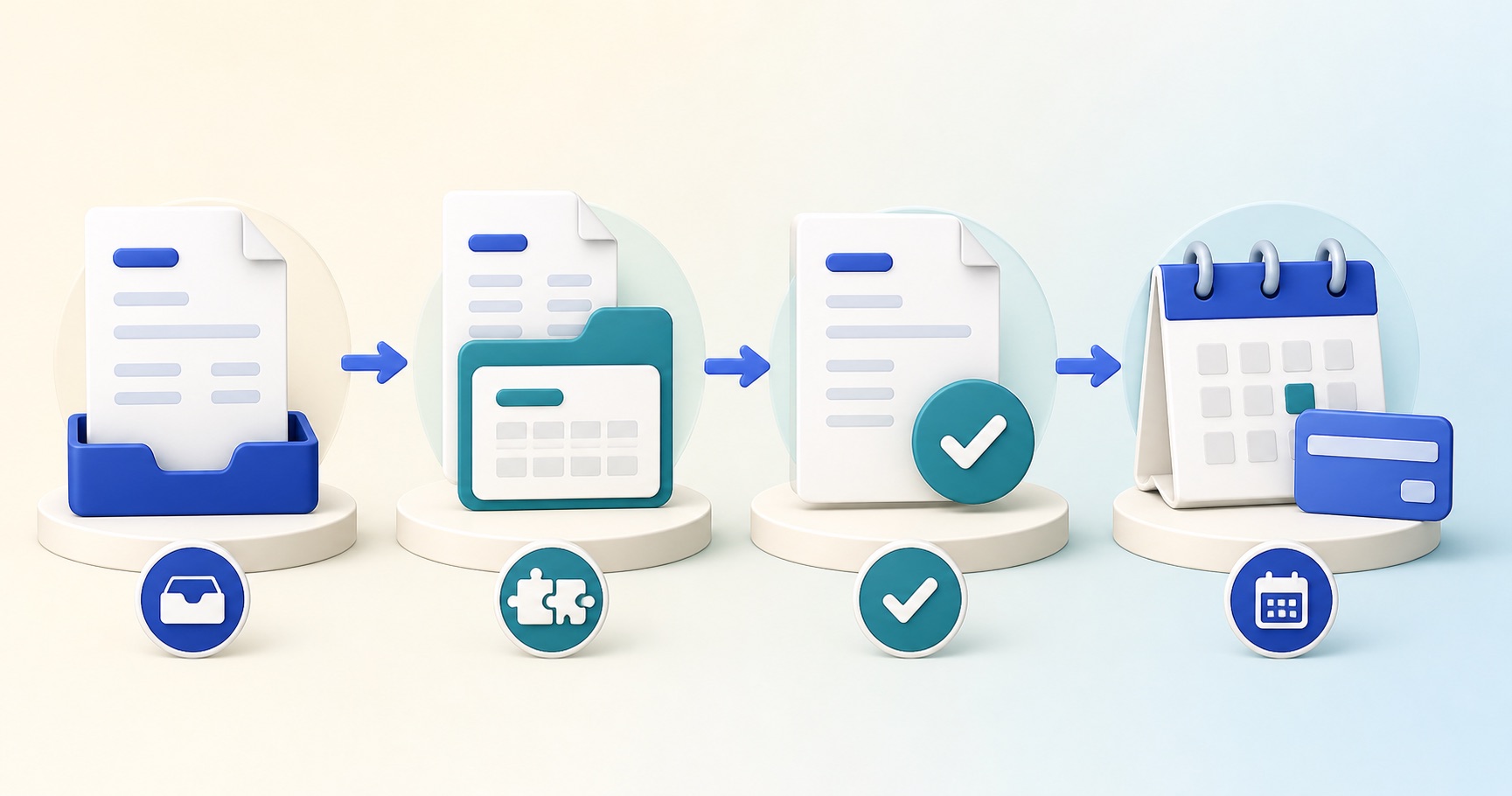
Accounts payable, often shortened to AP, is the money a business owes its suppliers for goods or services it has already received. The supplier will usually have sent an invoice, but sometimes both sides agree the amount without one. AP can also mean the work and the people involved in checking invoices, approving them, recording what is owed and making payments.
These meanings are related, but they are not the same. The amount owed appears on the balance sheet. The AP team checks each invoice and sends it to the right person for approval. The payment is then made when it is due. A reliable AP process makes sure the amount owed, the supporting records and the payment all agree.
Accounts payable at a glance
| Where does AP appear? | On the balance sheet, usually under current liabilities. AP is normally current because paying suppliers is part of the business’s usual trading cycle. AP often appears within a line called “trade and other payables”. |
|---|---|
| Is AP a debit or a credit? | It normally has a credit balance. Recording a supplier invoice usually credits AP and increases the amount owed. |
| How does AP decrease? | Paying the supplier, applying a supplier credit note or making another valid adjustment normally debits AP and reduces the amount owed. |
| What records should you keep? | Keep the invoice, purchase order or contract, proof that the goods or services were received, and the approval. After payment, keep the bank confirmation and any remittance advice too. |
| Which bills usually go into AP? | Supplier invoices for stock, equipment, utilities, rent, software and professional services that the business will pay for later. |
| What does not usually go into AP? | Payroll, tax and loans are usually recorded as separate liabilities. If the business has received goods or services but the amount owed has not yet been invoiced or formally agreed, it normally records an accrual. The amount may need to be estimated. |
The balance
What the business owes its suppliers at a particular point in time.
The workflow
How an invoice is received, checked, approved, recorded and paid.
The people
The people who manage invoices, payments and supplier accounts.
In simple terms, IAS 37 describes a trade payable as an amount owed for goods or services the business has received. The amount has either been invoiced or formally agreed with the supplier. IAS 1 explains that trade payables are normally current liabilities because they form part of the business’s usual trading cycle.
Do not judge the AP process by the size of the balance alone. A low balance may mean invoices are missing, rather than that the process is efficient. A high balance does not always signal poor performance. It may reflect business growth, longer payment terms or the timing of payment runs. What matters is whether each invoice is accurate, has the right records and approval, and is paid when due.
How accounts payable differs from receivables, expenses and accruals
| Term | What it means | How it appears in the accounts |
|---|---|---|
| Accounts payable | Money owed to a supplier for goods or services already received. The amount has been invoiced or formally agreed. | Usually shown as a current liability on the balance sheet. It normally has a credit balance. |
| Accounts receivable | Money a customer owes the business. | Usually shown as a current asset on the balance sheet. It normally has a debit balance. |
| Expense | A cost recorded in the profit and loss account. | Usually recorded as a debit. The other side of the entry may be cash, AP or an accrual. |
| Accrued expense | A cost for goods or services already received when the amount owed has not yet been paid, invoiced or formally agreed with the supplier. | A liability that may need to be estimated. It is cleared or adjusted when the invoice arrives or the amount is agreed. |
A simple accounts payable example
A catering company buys an oven
On 1 August, a UK catering company receives a commercial oven that costs £1,000 plus £200 VAT. The invoice is due on 31 August. In this example, the oven costs more than the company’s capitalisation threshold. This is the minimum amount the company uses to decide whether to record a purchase as an asset. The company also has a valid VAT invoice and can recover the VAT. It records the following entries, where Dr means debit and Cr means credit:
| 1 Aug, invoice received | |
|---|---|
| Dr Equipment | £1,000 |
| Dr Recoverable input VAT | £200 |
| Cr Trade payables | £1,200 |
| 31 Aug, invoice paid | |
| Dr Trade payables | £1,200 |
| Cr Bank | £1,200 |
The journal entries are short, but the checks around them matter. The business still needs to confirm the supplier and invoice are genuine, check that the oven arrived, get approval, prevent duplicates and make the payment safely. The six checks below make these steps part of the normal process.
How the accounts payable process works
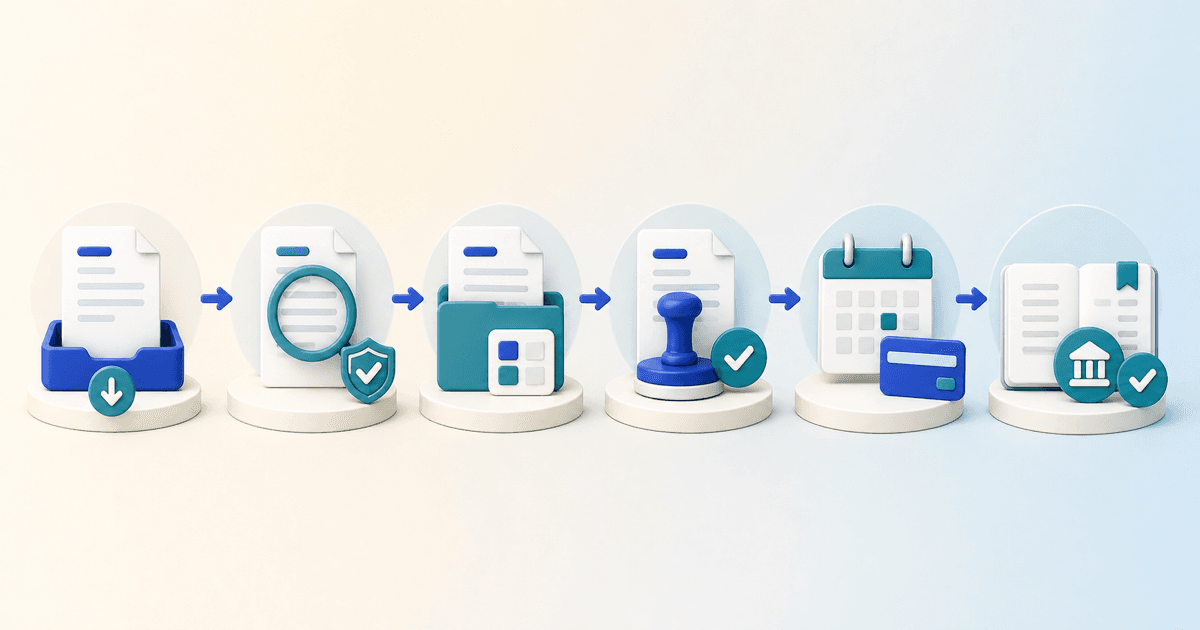
Accounts payable is the point where a purchase becomes a recorded bill and, later, a supplier payment. The person handling AP needs information from whoever ordered and received the goods or services. They may also need help from the purchasing team, the person responsible for the budget, the team that manages cash and the accounting team. The process has eight steps:
Scroll horizontally to see every step.
Receive
Receive the invoice through a dedicated email address or portal, then keep the original file.
Check
Check the supplier details, invoice information, calculations, tax details and whether the invoice is genuine.
Look for duplicates
Check the supplier, invoice number, date, amount and document history to make sure the invoice has not already been recorded.
Match and code
Compare the invoice with the order or contract and proof that the goods arrived or the services were provided. Then put it under the right accounting codes and reporting categories.
Approve
Send the invoice and any problems to the right person for approval or a decision.
Record
Record the amount owed against the correct company, currency and accounting period, such as the right month.
Pay
Set the payment date from the agreed terms, then make the payment using the right bank permissions and approvals.
Reconcile
Compare the supplier account and AP records with the main accounting records and bank payments, then fix any differences.
How to match invoices to supporting records
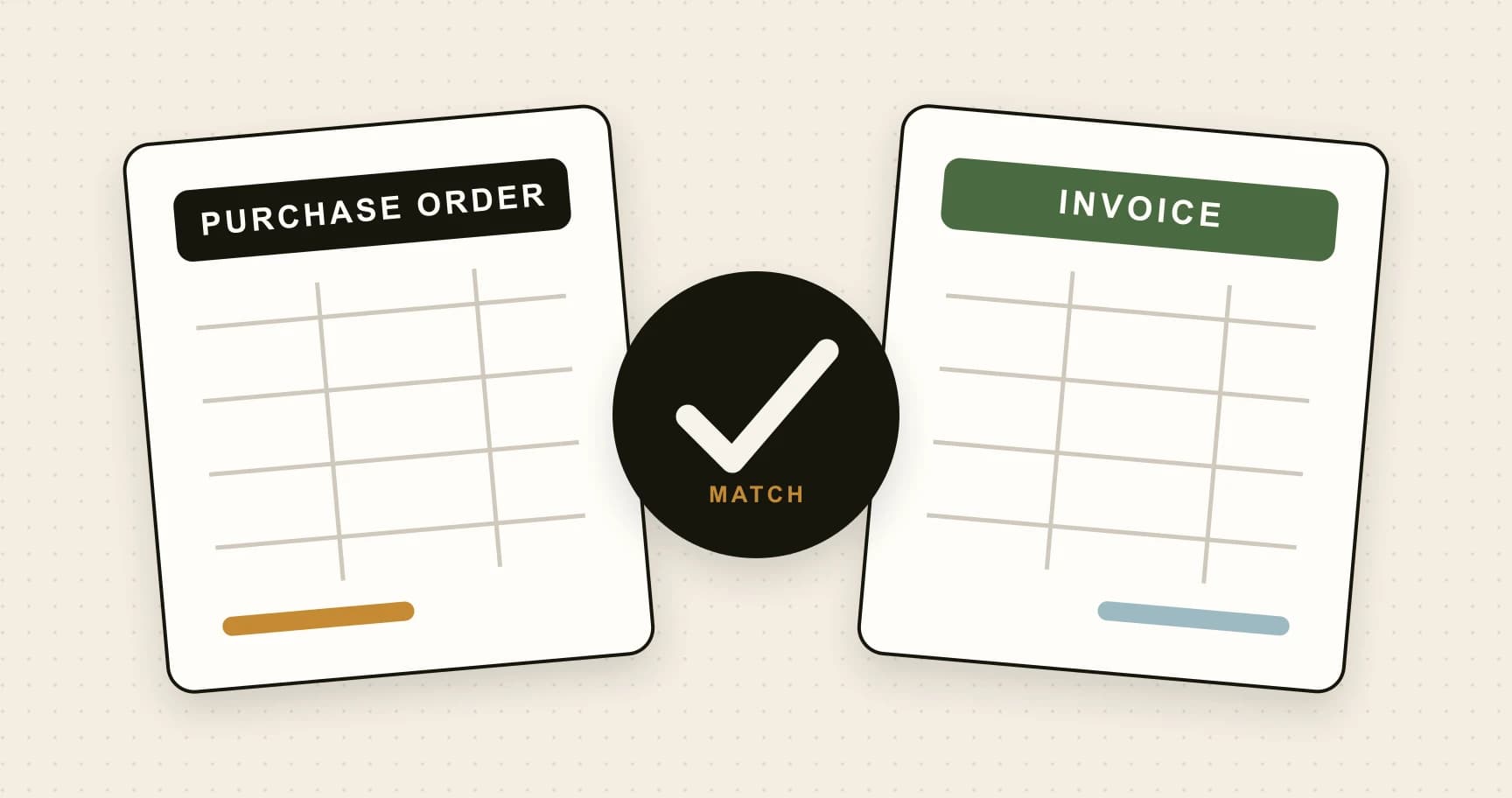
Matching means checking an invoice against the records that show what the business ordered and received. A two way match compares the invoice with the purchase order. A three way match also checks proof that the goods or services were received. If there is no purchase order, compare the invoice with the contract, proof of service and approved request. If a difference is larger than your business allows, keep it flagged until someone resolves it. Do not quietly change the figures to make them match. HMRC’s UK procure to pay guidance also recommends using evidence and approval checks.
Wherever your business is based, make sure the amount is valid, the right person has approved it and the invoice is recorded correctly before paying. Keep evidence that supports the purchase, such as proof of delivery, proof of service or an approved contract.
Keeping accounts payable up to date
Checking balances, closing the month and fixing problems
-
Weekly
Use the ageing report as a to do list
Group supplier balances by when they are due and how late they are. Then check large or old amounts, disputed or unusual invoices, unused supplier credit notes and supplier accounts that show the supplier owes you money.
- CurrentNot due yet
- 1 to 30days overdue
- 31 to 60days overdue
- 61 to 90days overdue
- 90+days overdue
-
Month end
Finish the checks before you close the month
Finish collecting invoices for the month and record each valid one in the right month. If your business has received significant goods or services but the amount owed has not yet been invoiced or formally agreed, record an accrual. This records the purchase and the liability in the correct month. Then check that the total in your accounts payable records matches the general ledger, which holds the main accounting totals.
-
When a credit arrives
Link each supplier credit note to the right invoice
Check that each supplier credit note is valid, link it to the original invoice and use it only once. Do not delete or rewrite the original invoice to make the balance disappear.
-
When something does not match
Keep problems visible until they are resolved
Do not hide differences in price, quantity, tax, receipt or approval. Record who resolved each problem, what evidence they used and whether they updated the accounts or contacted the supplier.
Do not pay an invoice just because it is old. First check that it is valid, approved, not disputed and due under the agreed terms. Cash forecasts help you plan payments, but they do not change when a valid invoice is due or settle a genuine dispute. At month end, check for duplicates, payments that have not been matched to invoices, missing supplier credit notes, old accruals and goods received before an invoice arrives. Record who checked and resolved each problem.
Four reasons it matters
Why accounts payable matters
Each supplier invoice affects your cash, your accounts, your relationship with the supplier and your risk of fraud.
- CashCash flow
- Paying too early leaves less cash available for other needs. Paying late can cost you discounts, damage supplier relationships and your reputation, or even lead to legal action. ACCA explains how supplier bills affect cash flow across a business.
- BooksFinancial reporting
- Missing invoices make it look as though you owe less than you really do. Duplicates make the amount look too high. Wrong dates, recording an invoice against the wrong business or using the wrong accounting code can make monthly results, budgets and tax records inaccurate.
- TrustSupplier relationships
- Suppliers need clear information and payment when promised. In the UK, the Fair Payment Code recognises businesses that can show they pay suppliers on time.
- ControlFraud and error prevention
- Accounts payable may receive false invoices, duplicate payment requests or fake changes to bank details. The National Crime Agency advises businesses to check changes to invoice or bank details and call the supplier on a phone number used before.
Six simple safeguards
Six accounts payable checks every small business should have
These checks should fit the size of your business. Even in a small team, arrange the work so one person does not control a purchase and its payment from start to finish.
Receive invoices
-
Control 1 of 6.
Use one place for invoices
Ask suppliers to send invoices to one dedicated email address or portal. Keep the original invoice and record when it arrived.
-
Control 2 of 6.
Protect supplier details
Limit who can add suppliers. If bank details change, check them independently using contact details you already trust. Do not rely on the contact details in the change request.
Check invoices
-
Control 3 of 6.
Look for duplicate invoices
Before you record or pay an invoice, compare its supplier, invoice number, date and amount with invoices you already have.
-
Control 4 of 6.
Match the invoice and get approval
Compare the invoice with the order or contract and proof that the goods or services arrived. If something does not match, send it to someone with the authority to decide what happens next.
Pay
-
Control 5 of 6.
Split responsibility for payments
No one person should add a supplier, approve its invoice and send the payment without someone else checking the work. Set bank access carefully and use two approvers for higher risk payments.
-
Control 6 of 6.
Check the records against each other
Regularly compare supplier statements with your accounts payable records, the general ledger and bank payments. Keep notes or other evidence showing who checked each difference and how it was resolved.
Separate key tasks and check the work. HMRC’s purchase to pay guidance recommends approval controls. It says new suppliers and purchase requests should go through approval, with key duties split between different people where practical.
Records to keep and figures to track
For each invoice, keep the supplier name, invoice number, invoice date and due date, currency, amounts before and after tax, and the original document. Also keep the order or contract reference, accounting codes, proof of approval and payment status. Your records should show who changed any details, approved the invoice, recorded it and made the payment.
Keeping records in the UK: limited companies usually need to keep company and accounting records for six years after the relevant financial year ends, although there are some exceptions. You will usually need to keep VAT records for six years too, but some schemes require longer. Other countries have their own rules about how long to keep records and what evidence is needed.
Track a few figures that help you spot problems without rewarding speed at the expense of accuracy:
- time from receiving an invoice to approving it.
- percentage paid on or before the agreed due date.
- percentage of invoices recorded correctly the first time, plus the main reasons for any extra work.
- age and value of overdue invoices, plus any balances that do not match.
- number and value of duplicate invoices caught, plus the percentage of duplicate warnings that were false alarms.
When accounts payable software can help
Spreadsheets and email can work when you only handle a few invoices, provided everyone knows who is responsible and what checks to make. Problems are more likely as you receive more invoices or need approval from several departments. Different supplier formats and the need to search an invoice’s full history add further pressure.
Accounts payable software can collect invoices in one place, read the key details and flag possible duplicates. It can also compare invoices with orders or contracts, send them for approval and pass approved bills to your accounting software. It should keep a clear record of approvals, changes and unresolved problems.
How ArrowBill can help
ArrowBill helps small and growing teams collect invoices, capture their details and compare them with orders. It also sends invoices for approval, flags problems, keeps a clear record of every action and connects with accounting software. ArrowBill also translates documents and provides bargain value for money with controlled access for the entire organisation.
What to remember
Accounts payable is more than a list of bills. It connects what your business buys with what it owes and what it eventually pays.
A good AP process should answer four questions about every invoice
- What was bought?
- Who authorised it?
- Why does your business owe this amount?
- What evidence supports paying it?
If the answer to any of these questions lives only in someone’s inbox or memory, start by fixing that gap.
Frequently asked questions
What is accounts payable in simple terms?
It is the money your business owes suppliers for goods or services it has already received. The amount must have been invoiced or agreed with the supplier in another formal way.
Is accounts payable an asset or a liability?
A liability. Your business normally shows accounts payable as a current liability because it expects to pay suppliers as part of its usual trading cycle.
Is accounts payable a debit or a credit?
A credit. Accounts payable normally has a credit balance. When you record a supplier invoice, you credit AP. When you pay it or apply a valid supplier credit note, you debit AP.
What is the difference between AP and AR?
Accounts payable is money your business owes suppliers. Accounts receivable is money customers owe your business.
Is accounts payable the same as an expense or accrual?
No. AP is an amount your business owes. An expense is a cost recorded in profit or loss. An accrual records a cost before the supplier invoice or final amount is available.
What are the main steps in the accounts payable process?
First, receive and check the invoice, look for duplicates, then match and code it. Next, get approval, record it and make the payment when it is due. Finally, compare the supplier, accounting and bank records to make sure they agree.
 Published guide
 Published guide
 Published guide
 Published guide